Celebrating Salvation in the Covenant Festivals
| Languages |
English , Español, Français, Português, Deutsch, Русский, Kiswahili, עִברִית, عربي, فارسی, हिंदी, বাংলা, ਪੰਜਾਬੀ, 中文, 日本語, 한국인, Indonesia, Wong Jawa, |
|---|---|
If Scripture is true, then the annual assemblies and festivals represent the work of the Messiah as Savior. They act as memorials for what He does on behalf of believers in the process of atonement, sanctification, and redemption. The festivals and appointed times given in Scripture are not a set of abstract commandments and instructions to just dutifully keep. Instead, they are a rich part of our covenant relationship with the Eternal. They are a special way to honor our Savior and the work He does for our salvation, sanctification, and redemption. The Spring festivals represent the Messiah's first coming that occurred two thousand years ago and the Autumn festivals represent the Messiah's second coming that has yet to occur. They are filled with deep reminders that Yahshuah is both the sacrifice and High Priest who defeats death, the Good Shepherd caring for His sheep, and the Groom awaiting His bride. They are truly a time for celebration!
"Three times in a year shall all thy males appear before the LORD thy God in the place which he shall choose; in the feast of unleavened bread, and in the feast of weeks, and in the feast of tabernacles: and they shall not appear before the LORD empty: Every man shall give as he is able, according to the blessing of the LORD thy God which he hath given thee." Deut. 16:16-17 KJV
Festival Illustrations
-
 Book Cover
 -
 Celebrating
 -
 Calendar
 -
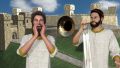 Assemble
 -
 Pilgrimage
 -
 Savior
 -
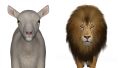 Lion & Lamb
 -
 Tabernacle
 -
 Herod's Temple
 -
 High Priest
 -
 Atonement
 -
 Chanukah


Book Download
Publishing Data
|
The first edition of the following articles is available in book form. It can be downloaded as a PDF file on the link to the right. Print copies can be purchased online. The articles below are the continued work and continuation of this project and will be used if and when a second edition is produced.
Front Matter
Why Observe the Festivals of Scripture?
One of the first questions to answer with our children is why to follow Scripture. It is beyond the scope of this book to prove the historical, scientific, and spiritual accuaracy and releveance of Scripture. Instead, the believer has more than ample evidence from the effectiveness and impact of Scripture, prayer, and a relatioship with our Heavenly Father in our lives. Therefore, the following chapters will summarize the main issues regarding why to follow Scripture and the covenant commandments rather than the traditions of man when it comes to the assemblies and festivals.
- What Is the Authority of Scripture?
- What Is the Fallen State of Man Kind?
- What Is the Covenant Relationshp?
- Who Is the Savior?
- What Are the Traditions of the Rabbis?
- What Are the Traditions of the Bishops?
What Is the Scriptural Calendar?
When YHVH created the sun, the moon, and the stars He made them to be for signs and seasons and days and years. He also established the harvests and their related festivals as days we are to observe and remind us of the work that He has done. These signs not only have meaning in the physical world by telling us what part of the day or of the year we are in, but they tell us what is happening in our relationship with the One Most High as well. Yet we are far removed from the cycles of nature by our artificial and virtual environments. As someone who has grew up in the country with farmers nearby, and as someone who spent many years camping, these cycles became more familiar to me. And when these are known, the ability to connect with scriptural passages and commandments grows as calendar issues all seem to melt away. No elaborate methods and rituals are needed to separate one thing from another ... it simply happens. The protestant church ignores the natural cues and follows the liturgical calendar year.
- Why Celebrate Harvests and Feasts?
- What Is His Sabbath Rest?
- What Is New Moon Day?
- One Day is as One Thousand Years
What Are the Spring Festivals?
The Spring Festivals and Assemblies represent the first coming of the Messiah that occurred about two thousand years ago. It is at this time He comes as the Suffering Servant and as the Lamb. His life, death, and resurrection which occur around the Feast of Unleavened Bread represent the ultimate atoning sacrifice that wipes away our sin. His giving of the Special Spirit at the Feast of Weeks furthers the process of our sanctification and ultimate return to the Kingdom of Heaven as sons and daughters.
- What Is the Last Supper Memorial?
- What Is the Passover Memorial?
- What is the Feast of Unleavened Bread?
- What is the Day of Firstfruits?
- What Is the Feast of Weeks?
What Are the Autumn Festivals?
Just as the spring festivals show the historical first coming of the Messiah as the the Suffering Servant and as the Lamb, the autumn festivals show His prophetic second coming as the Conquering King and as the Lion. These events include the Millenial Kingdom, final judgment, a wedding banquet, and eternity in the New Heavens and Earth.
- When Is the End Time Tribulation?
- What Is the Day of Shouting?
- What Is the Day of Redemptions?
- What Is the Feast of Booths?
- What Is the Eighth Day Assembly?
What About Other Memorials?
I am hesitant to mention other celebrations ... largely because the Eternal does not command nor instruct us to observe them. Perhaps I add these to help distinguish just how different man kind's celebrations are from the Scriptural celebrations. However, certain historical events do tie in with our salvation and help paint a picture of our relationship with the Eternal. In adding these chapters, I will try to avoid spending time on the many man made traditions surrounding these celebrations, and focus on the factual and historical events and how they remind us of our Savior.
References
- Glossary [[category:]]